Shops and small businesses
- Keep drinks cold, lights on and customers served.
- Pay in cash or by transfer. No bank card is needed.
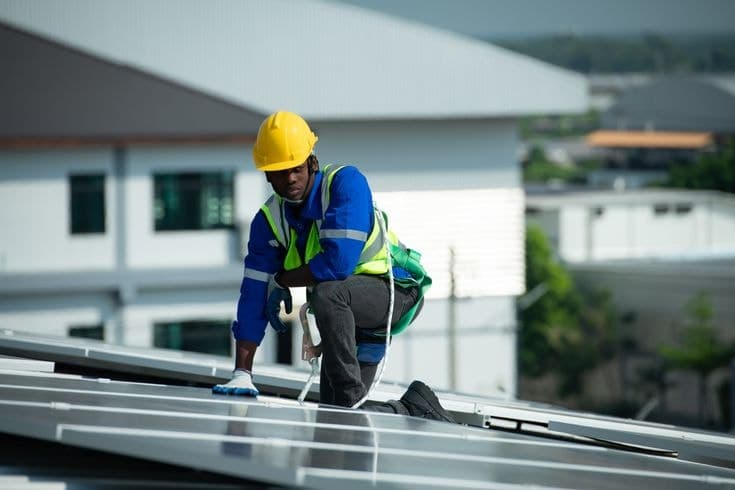
- An installer checks your site and appliances before anything is connected.

Waitlist open · Lagos, Niger and Abuja
SolarPeer helps shops, student residences and homes buy measured prepaid solar energy from a verified nearby provider.
As of 11 September 2026. Field and pilot-preparation results, not customer outcomes.
5 field deployments completed in Minna, Niger State
₦250/kWh accepted in documented pilot conversations
Cash or transfer supported in the pilot operating design
Why it matters
Often a neighbour already has solar panels and more energy than they use. What has been missing is a safe, fair way to share it: a meter for each buyer, a clear price, a receipt, and a limit that protects everyone’s supply.
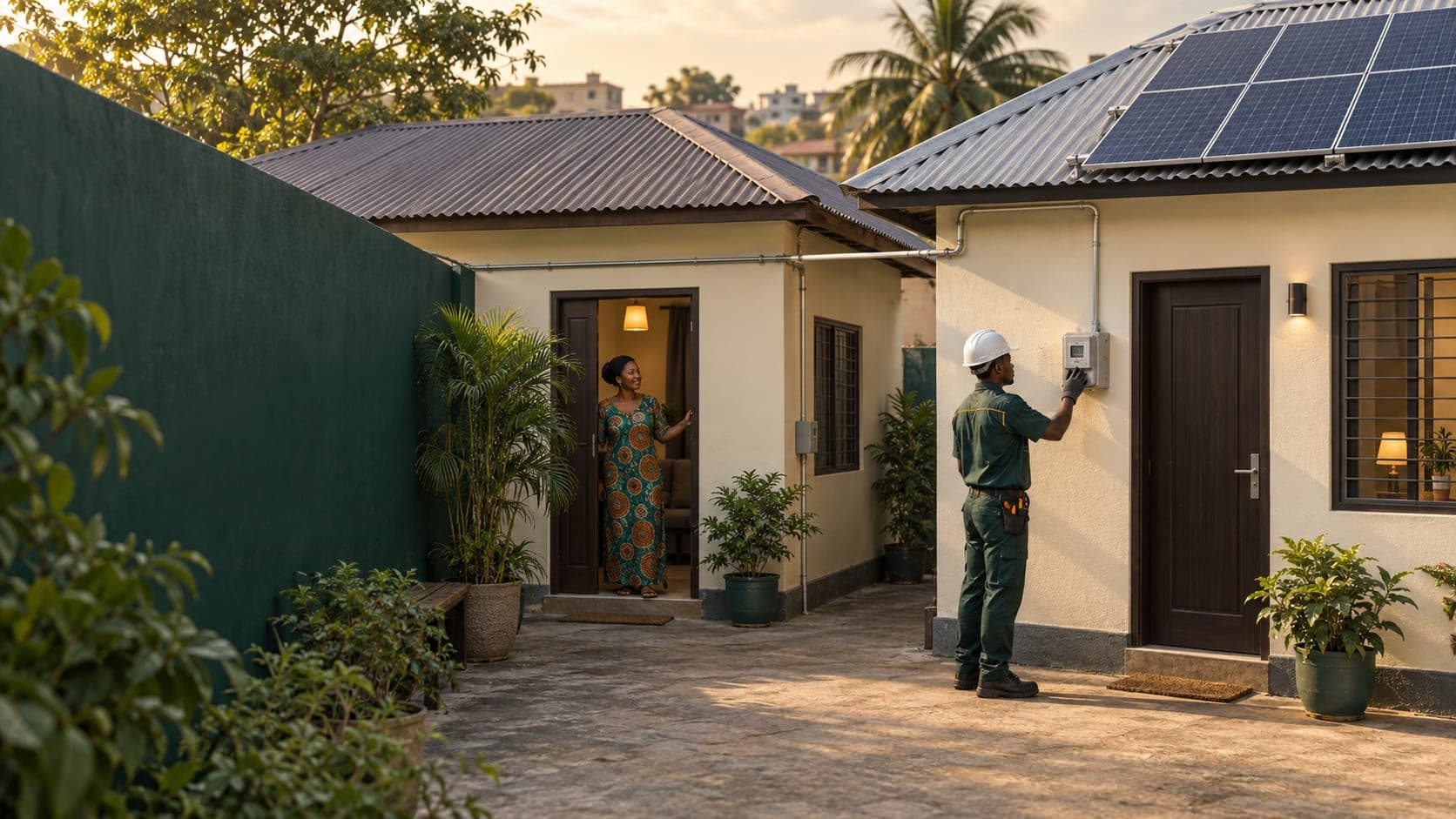
Cold drinks stop selling, frozen food spoils and customers go elsewhere when the power goes off.
In hostels and student lodges, evenings without light or charging mean lost study hours.
Fans and lights stop, generators are expensive to run, and a complete solar system is out of reach for many households.
How it works
An installer measures how much spare energy an existing or newly installed solar system can safely share.
A SolarPeer hub meter goes in at the solar owner’s site, and each buyer gets their own meter.
The solar owner allocates the kWh each buyer has paid for, within a power limit approved for their appliances.
The meter adds the energy bought and keeps the buyer within their limit. Both sides get a receipt for each sale.
Energy travels by cable from the solar owner, through the hub meter, to your shop's meter.
Payment goes to the solar owner, in cash or by transfer. The solar owner pays SolarPeer a commission on each sale.
Who it is for
Everyone joins one waitlist. The communities in Lagos, Niger and Abuja with the most sign-ups get the first deployments.
Spare capacity you estimate yourself is measured before any sharing starts.
Join as a solar ownerInstallers and cluster partners
Assess compatible sites, install and commission meters, and support verified clusters.
Join as an installerCommunity leaders, campus associations and estate managers who can bring neighbours together.
Partner with usWe are collecting partnership interest. This is not a signed partnership.
Pilot pricing
Buy energy in advance, the way you buy airtime, and only as much as you need.
The pilot is planned around ₦250 per kWh. This is an assumption, not a final price, and may change before the pilot starts. Final terms are shared before anything is activated.
₦1,000 buys 4 kWh
₦500 = 2 kWh · ₦1,000 = 4 kWh · ₦2,000 = 8 kWh
At the pilot price assumption of ₦250 per kWh. Not a final price.
From the field
Real SolarPeer field work in Minna, Niger State, on 30 April 2026.
Scroll sideways to see all 4 photos.
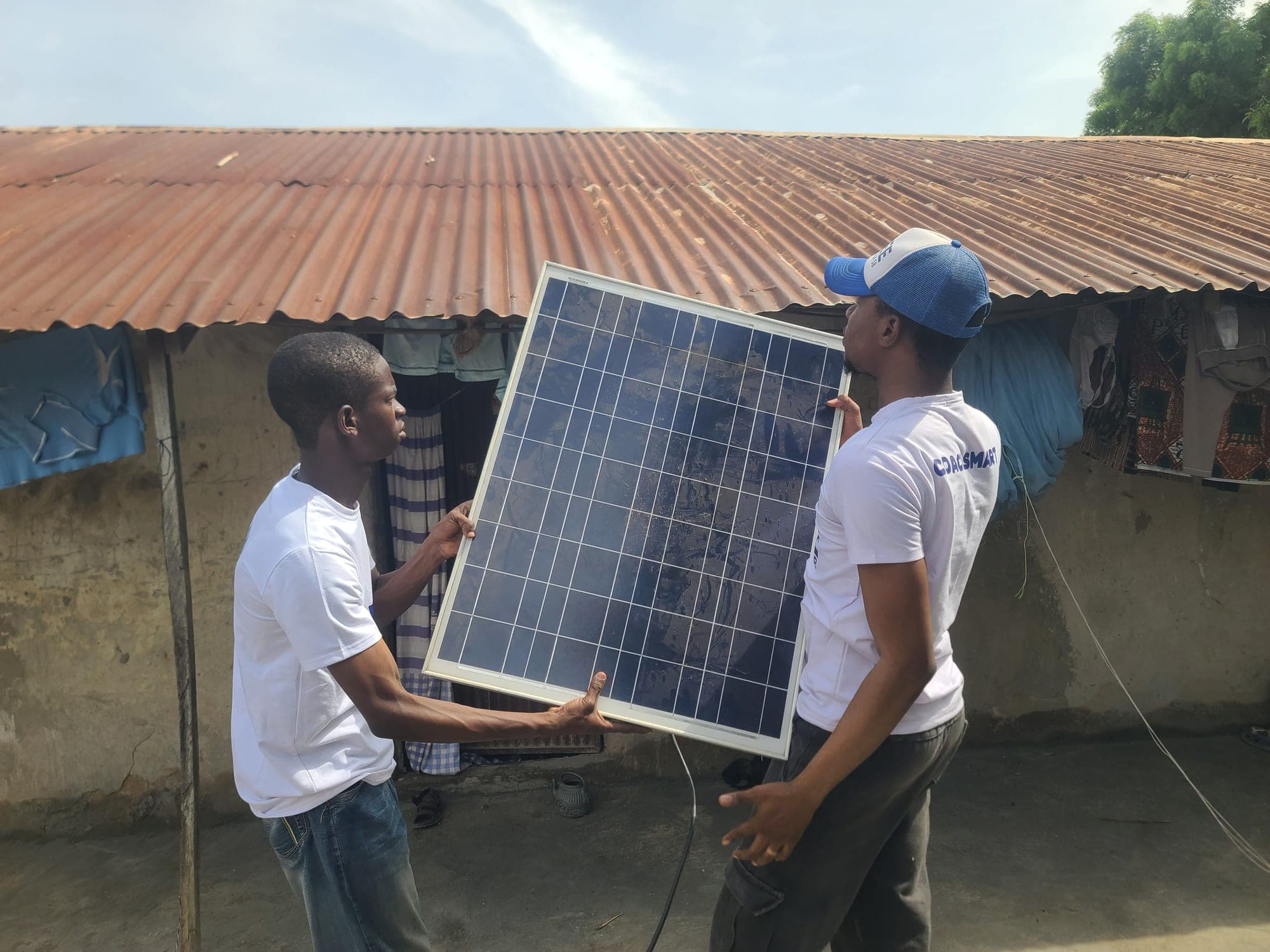
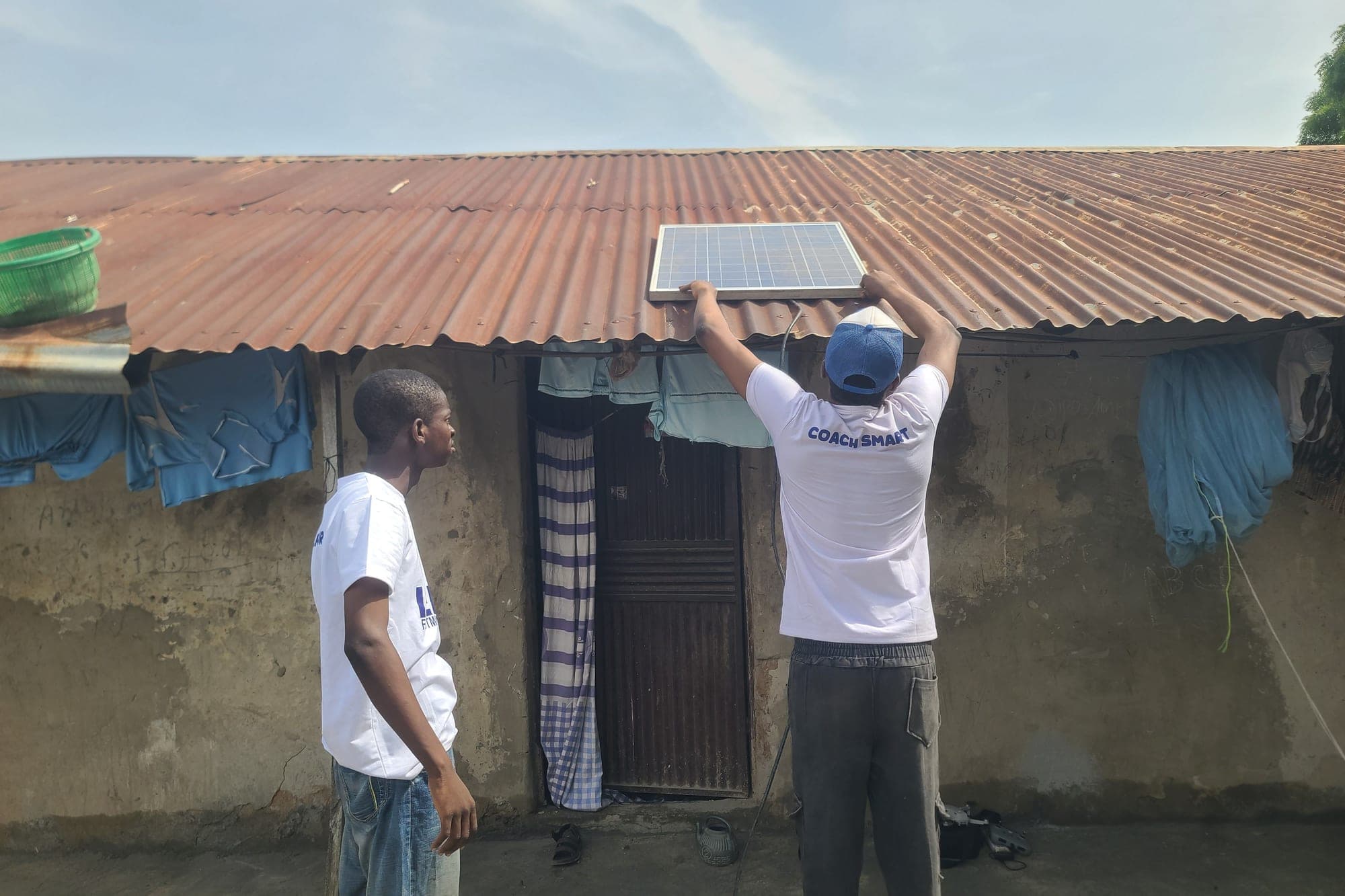
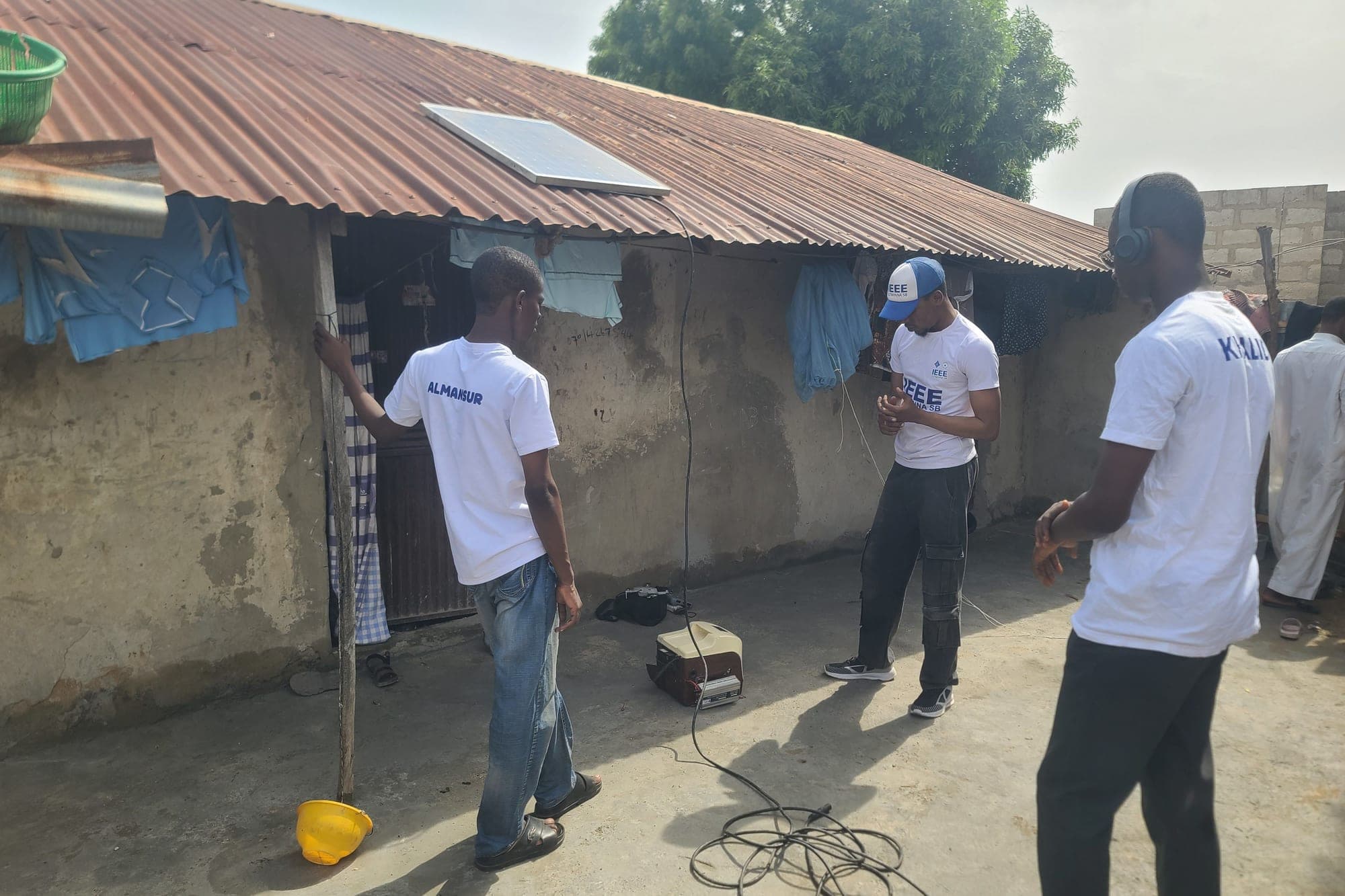
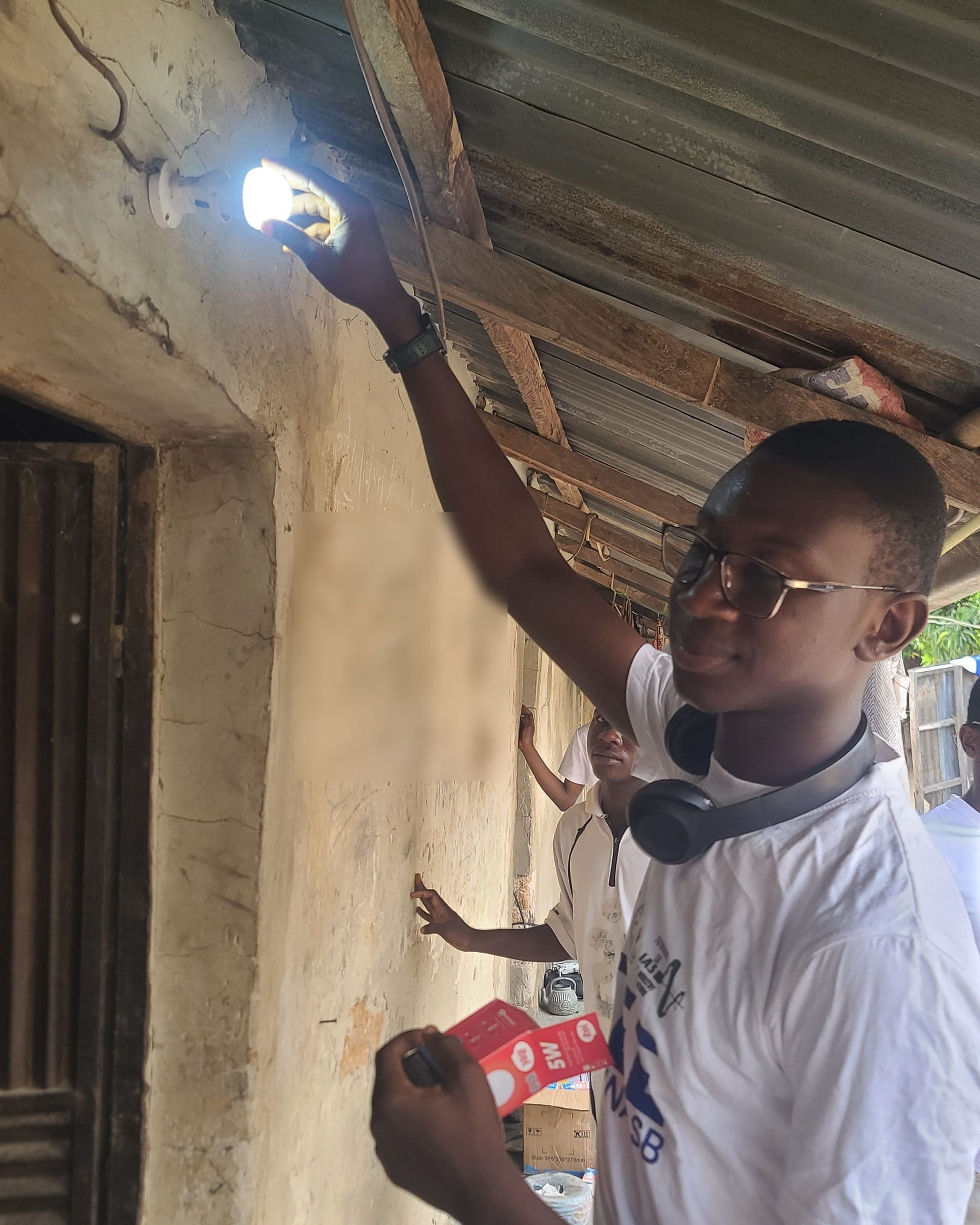
Photos show field activity, not performance or customer results. About SolarPeer 360
Questions
In Lagos, Niger and Abuja. Everyone joins one waitlist, and the communities with the most sign-ups get the first deployments. We cannot promise a date for any community.
Yes. Shops, campus and student residences, and homes can all join the waitlist. If you are in another state, you join the expansion waitlist for when SolarPeer reaches you.
No. If you know one, tell us on the form: it helps the team form a cluster in your community.
No. The waitlist only needs your name, mobile number, state and community. The SolarPeer Android app is for pilot participants and is not available to download yet.
Yes. In the pilot you pay the solar owner in cash or by transfer, and the sale is recorded so you both get a receipt.
Nothing is paid to join the waitlist. Meter and hub terms are explained after a site assessment and in signed terms, before anything is installed.
That is not guaranteed. Supply depends on how much spare energy the solar owner’s system has, which an installer measures first.
Kilowatt-hours (kWh) are the amount of energy you buy, like fuel in a tank. Watts are your power limit: how many appliances can run at the same time.
More answers and ways to reach us are on the Help page.
The communities with the most sign-ups get the first deployments. Tell us who you are and where you are, and join the waitlist. Prefer to talk first? Call, WhatsApp or email us.
Join the pilot waitlist